Case study · Red Mirchi Associates · Jind, Haryana
You can't tell a good bulb from a bad one by looking at it.
A farmer planting Holland lily bulbs is committing land, labour and a season's income to something they cannot inspect. By the time a bad batch shows itself, the year is gone. Red Mirchi has imported and grown premium bulbs from Jind since 2009 — and the job of their website is to prove where the stock comes from, then get the conversation onto the phone.
- Client
- Red Mirchi Associates
- Sector
- Horticulture & floriculture · India
- Services
- Experience Design · Engineering · Support
- Location
- Jind, Haryana · established 2009
- Status
- Built from scratch, supported and enhanced
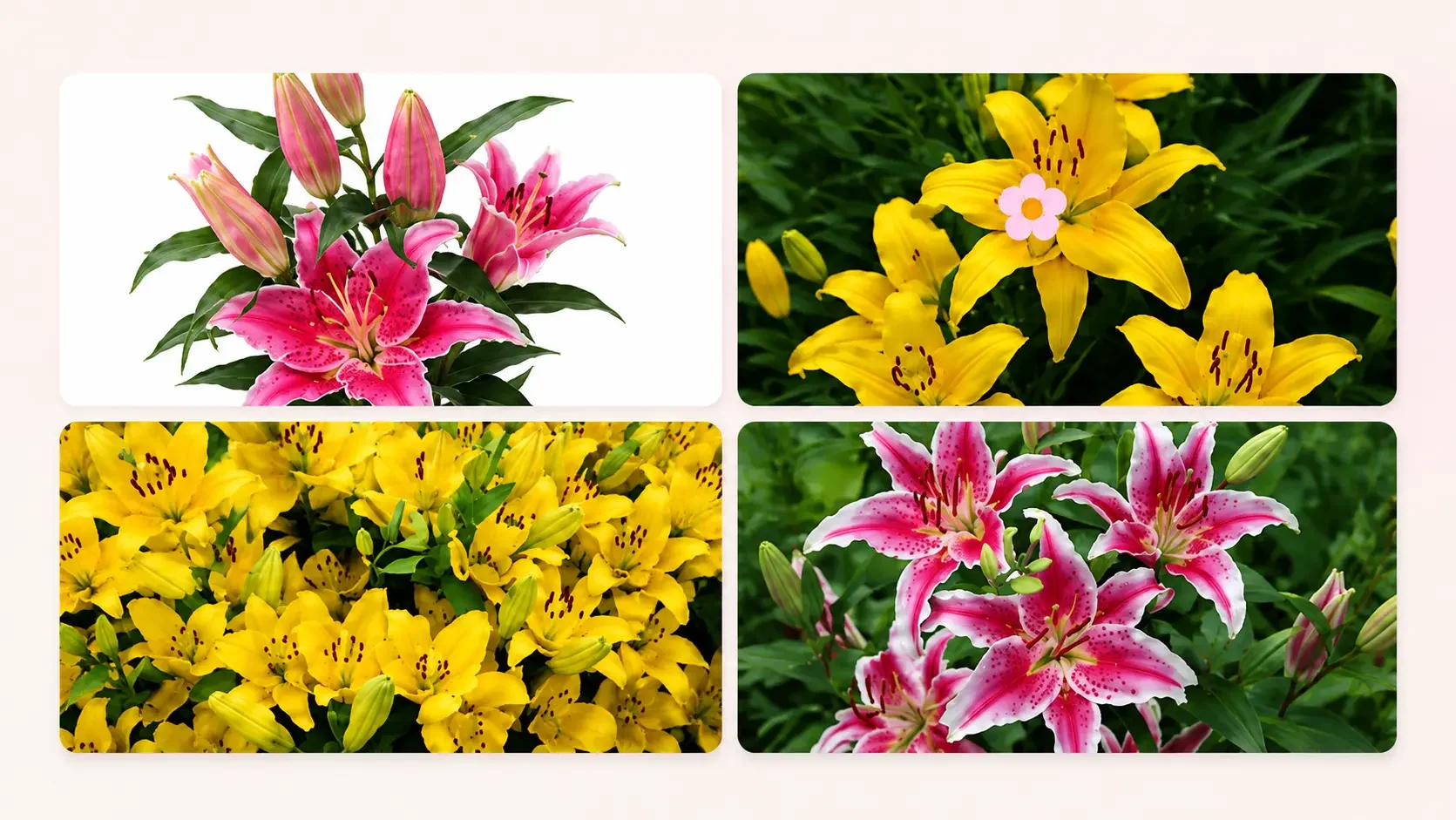
Sixteen years of reputation, and no way to see it.
Red Mirchi Associates has operated from Jind, Haryana since 2009 — importing Holland flower bulbs, growing them, building polyhouses, supplying irrigation and advising farmers on what to plant. In the districts where they work, the reputation is established. Outside them, it was invisible.
That matters because of what they sell. A bulb looks like a bulb. A farmer choosing between a certified Holland lily and a cheaper alternative is making a decision they cannot verify by inspection, on a crop that will take a season to prove them right or wrong. The same is true of a polyhouse — a substantial capital commitment to a supplier who might be excellent or might disappear.
So the website was never going to be a shop. It had to do the thing the reputation does in person: establish that this is a serious operation with a real supply chain, a real facility and sixteen years behind it. And then hand over to a phone call, because that is how the business actually closes.
Nobody buys a polyhouse online, and nobody should buy bulbs from a supplier they haven't spoken to. The site's job is to make that call worth making — and then to make it easy.
Three things a standard business site gets wrong here.
The template answers — a contact form, a product grid, a gallery — would all have failed for the same underlying reason.
Farmers and horticulture buyers in Haryana are on mobile, often on a variable connection, often between other work. A page designed for a desktop browser and a leisurely read is a page that doesn't get read.
Filling in a form and waiting is not how this business is done. The natural next step is a call or a WhatsApp message — and if the site makes someone hunt for a number, they've already gone back to whoever they used last year.
Bulb import, plantation, polyhouse construction, irrigation, fertilisers and consulting, and tissue culture. Each has a different buyer with a different question, and flattening them into one list would serve none of them.
Four pages, arranged around one decision.
Home, About, Catalogue, Contact. Everything on them is there to move a visitor from "who are these people" to "I'll ring them".
The credibility markers are specific and checkable rather than adjectival. A named Dutch partner. A quantified quarantine facility. A founding year. Any supplier can call their bulbs premium; far fewer can name who they import from.
- The Holland partner named in full — Derck Schipper Bloembollen/Export B.V.
- The post-quarantine facility given a number, not an adjective
- Established 2009 stated in the first line, because longevity is the strongest signal in this trade
- A physical address in Jind — a supplier you could drive to is a different proposition
A farmer looking for drip irrigation and a grower planning contract farming are not the same visitor. The offerings are presented as six distinct capabilities with their own framing, so each buyer recognises their own problem rather than scanning a list of everything the company can do.
- Polyhouse and greenhouse — design, build and commission
- Seeds and plantation, irrigation systems, fertilizers and nutrients
- Agronomic consulting and contract farming that connects growers to markets
- Tissue culture propagation and post-harvest processing
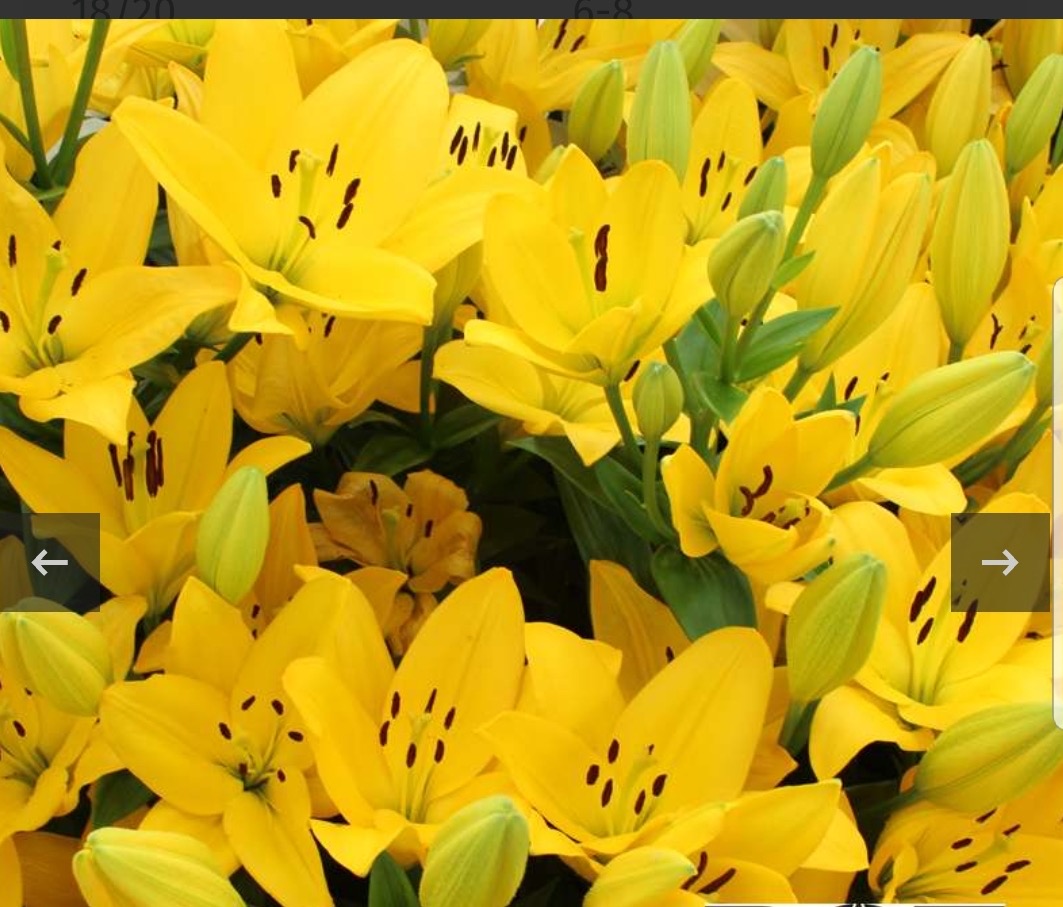
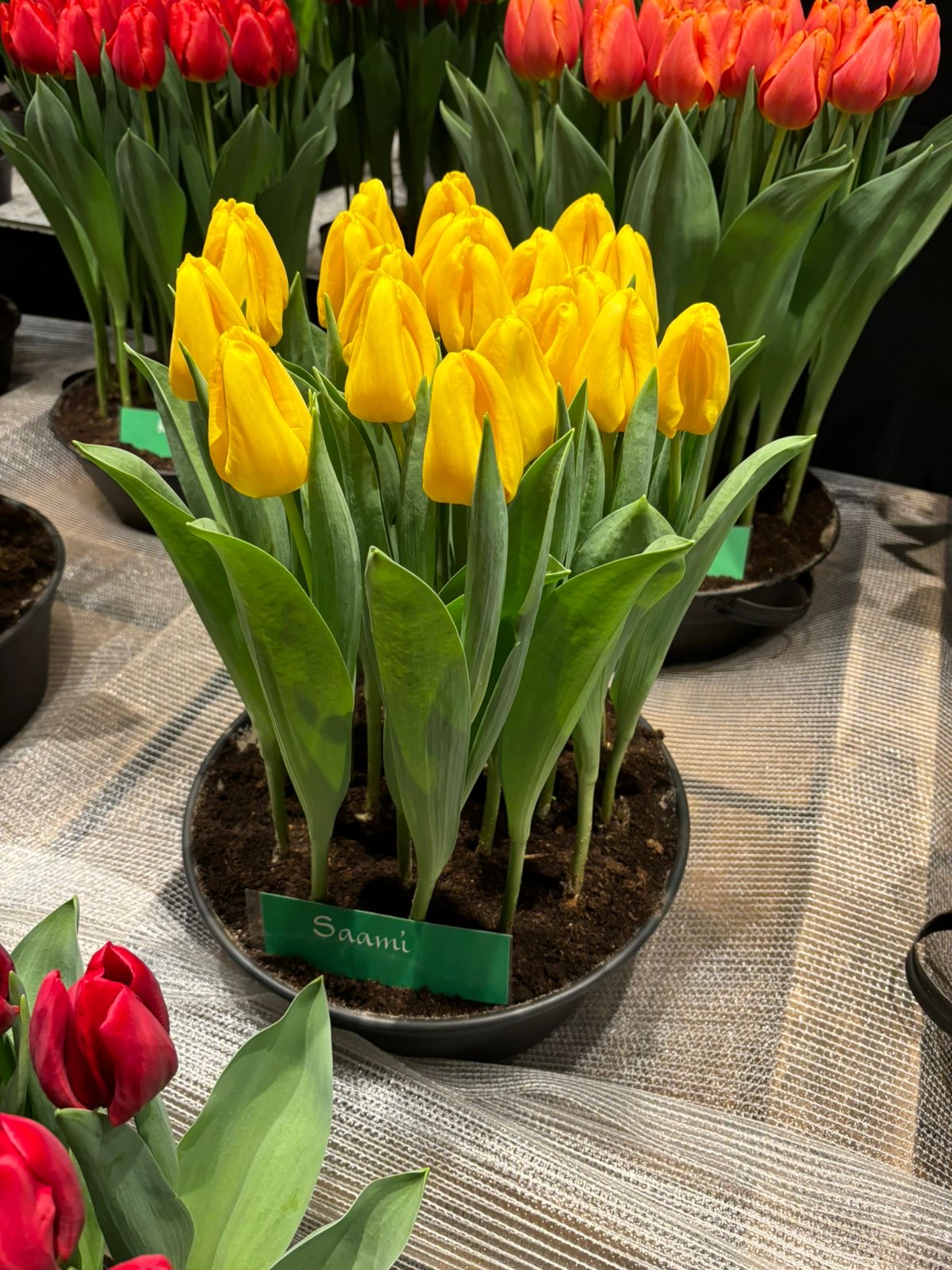
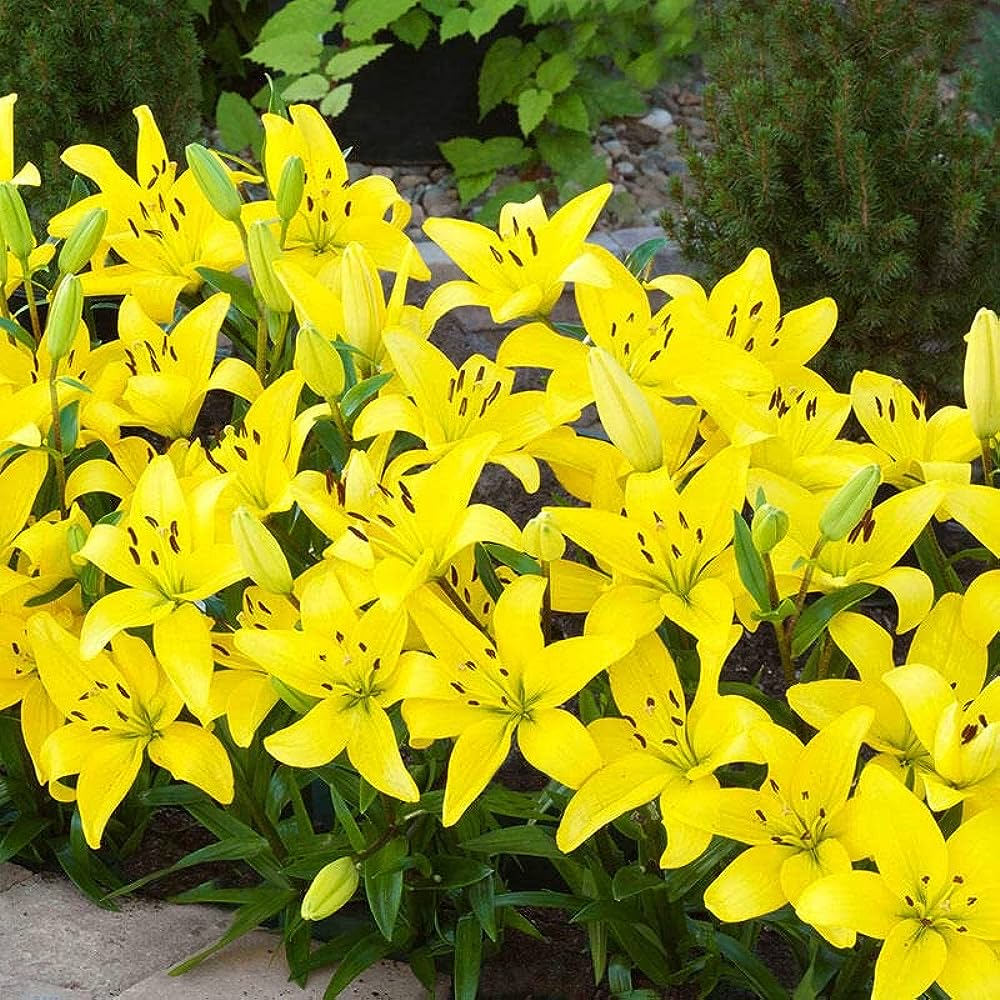
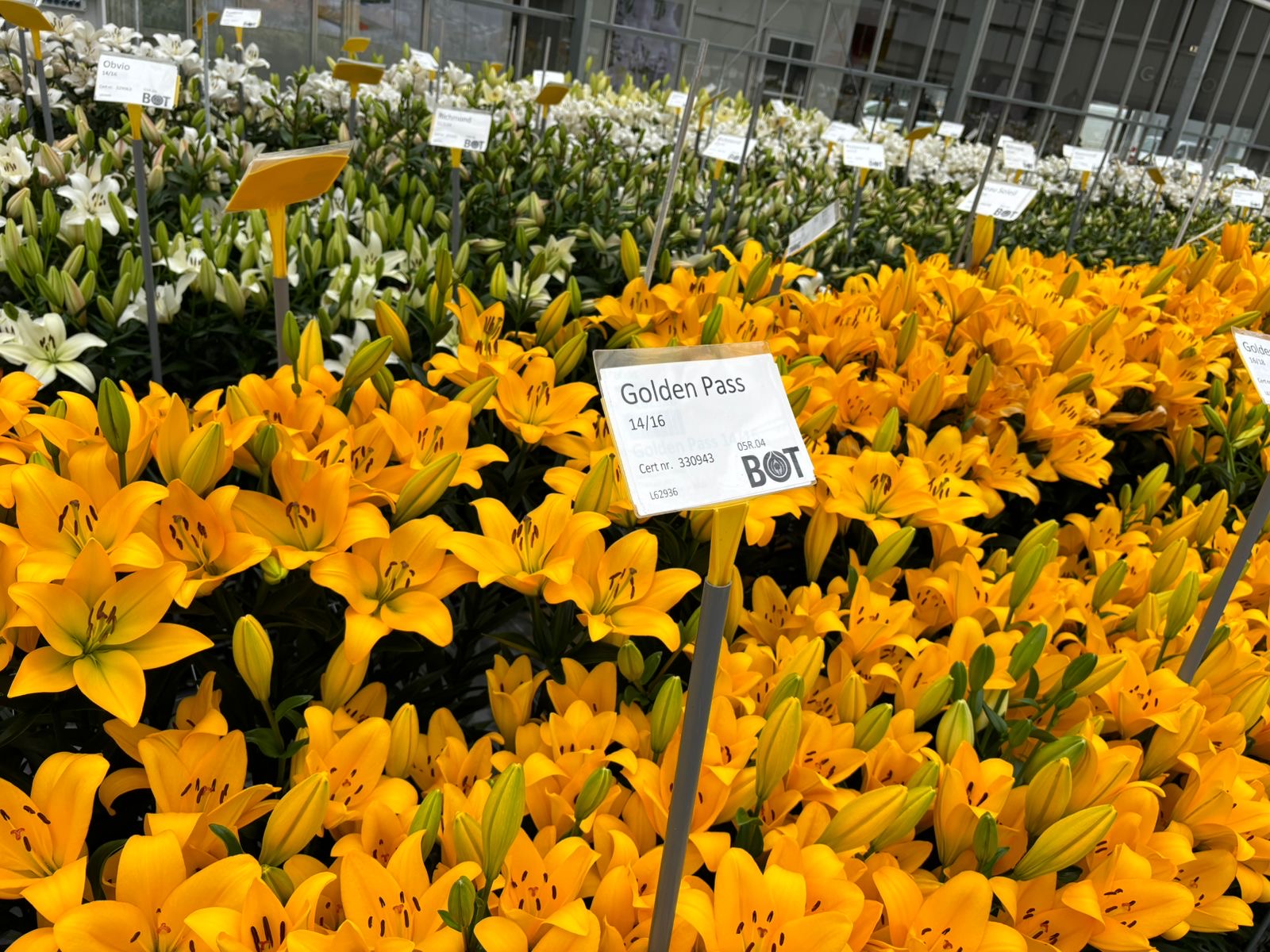
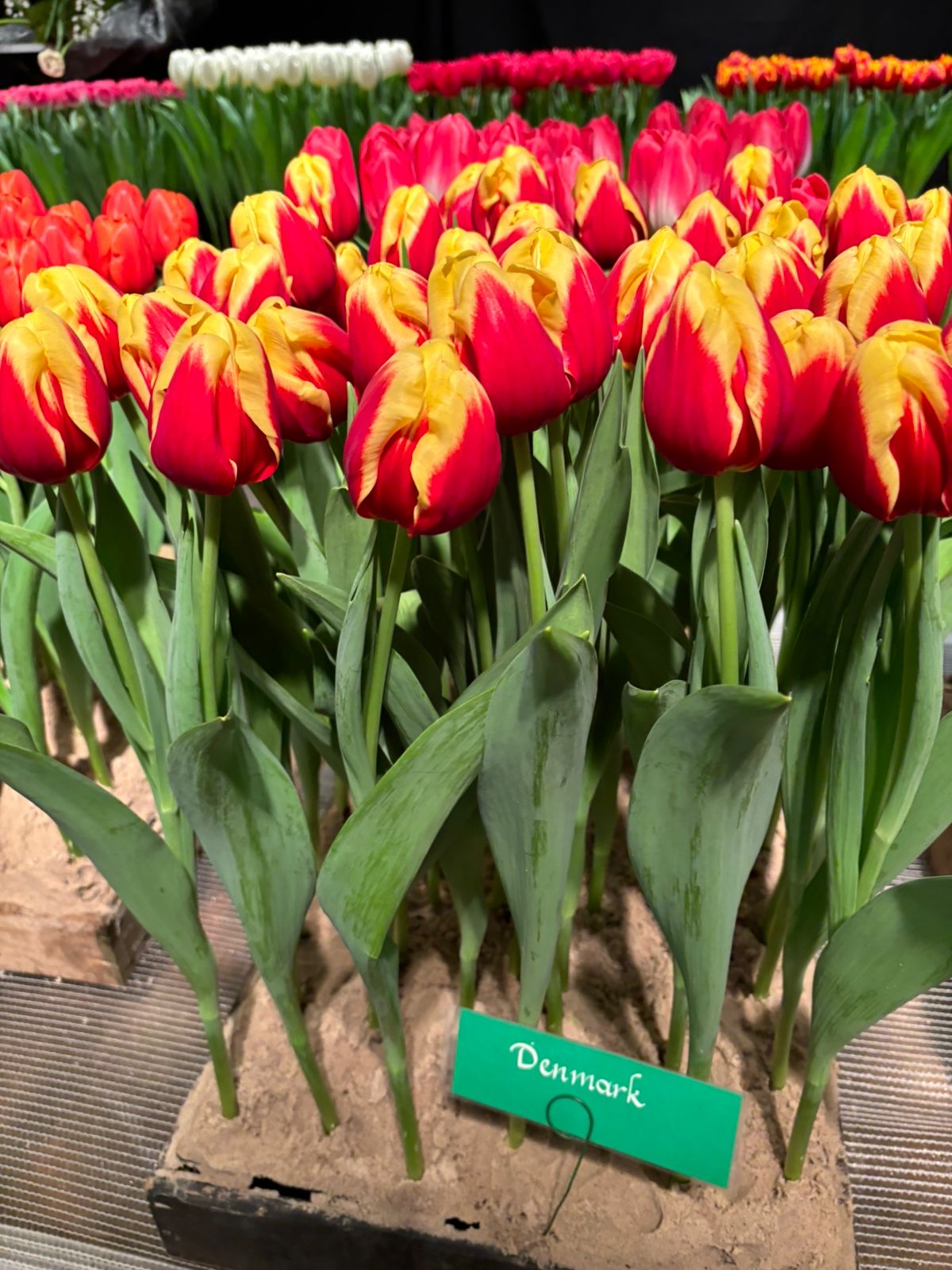
Pot Lily, Asiatic Lily, Oriental Lily, LA Lily, Tulip, Hyacinthus — organised by type, then by named variety, because that is the vocabulary of the trade. A grower asking for a specific cultivar should find it, not a page of general photographs of flowers.
- Grouped by flower type, then by named variety
- Photographed rather than illustrated, because colour is the purchase
- No prices — bulb pricing moves with season, volume and import cost, and a wrong number is worse than none
- Structured so new varieties are added each season without a rebuild
The conversion is a phone call.
Almost every site we build ends in a form. This one shouldn't. In this trade a buyer wants to hear a voice, ask three specific questions, and judge the answers — and a form that promises a reply within two working days loses to a competitor who picks up.
So the phone number is treated as the primary interface, not a courtesy in the footer. It sits in the main navigation, it's tappable everywhere, and WhatsApp — which is how business is actually conducted across much of India — is a first-class route rather than an afterthought.
Not a footer line. It sits alongside Home and Catalogue, because for this business it's as important a destination as any page.
Two numbers, both as direct dial links, because a number you have to memorise and retype on a phone is a number that doesn't get called.
Placed with the social links but doing entirely different work — it's the channel where a photograph of a struggling crop gets sent and answered.
The invitation matches what actually happens next: a conversation with someone who knows the crop, offered without obligation.
Designed for a field, not a boardroom.
The temptation with a business this established is to build something corporate. The buyer would not have recognised themselves in it.
Not "what should the site say" but "what makes a grower confident enough to place an order". Provenance, scale and longevity — in that order, and all above the fold.
Distinct offerings that each speak to their own buyer, held together by a single credible operation rather than reading as an unfocused list of services.
Not a desktop layout that reflows. Built for a phone on a variable connection, with the routes to a human never more than a tap away.
Structured for the searches that matter — flower bulbs, lily varieties, polyhouse, the district and the state — because a business invisible outside its own region was the problem we were hired to solve.
Still ours. Seasonal varieties, new offerings, content updates and platform maintenance delivered as ongoing work.
Horticulture runs on a calendar.
Bulb varieties change with each import season. Availability shifts. New offerings get added as the business grows into them. A site that reflects last season's catalogue is worse than useless to a grower planning this one.
We're still on it — updating varieties, extending the site as the business extends, and keeping the platform current. For a company whose credibility rests on being current and precise, a stale website would undo the very thing the site was built to prove.
Light enough for a rural connection.
The decisive constraint wasn't features. It was whether a page loads quickly on a mid-range phone somewhere with two bars of signal.
- Next.js
- Server-rendered pages
- Optimised imagery
- Mobile-first layouts
- Structured catalogue
- Variety-level entries
- Seasonal updates
- Extendable offerings
- Direct dial links
- Enquiry form
- Indexed and crawlable
- Regional search terms
- Descriptive page titles
- Social preview cards
Related case studies.
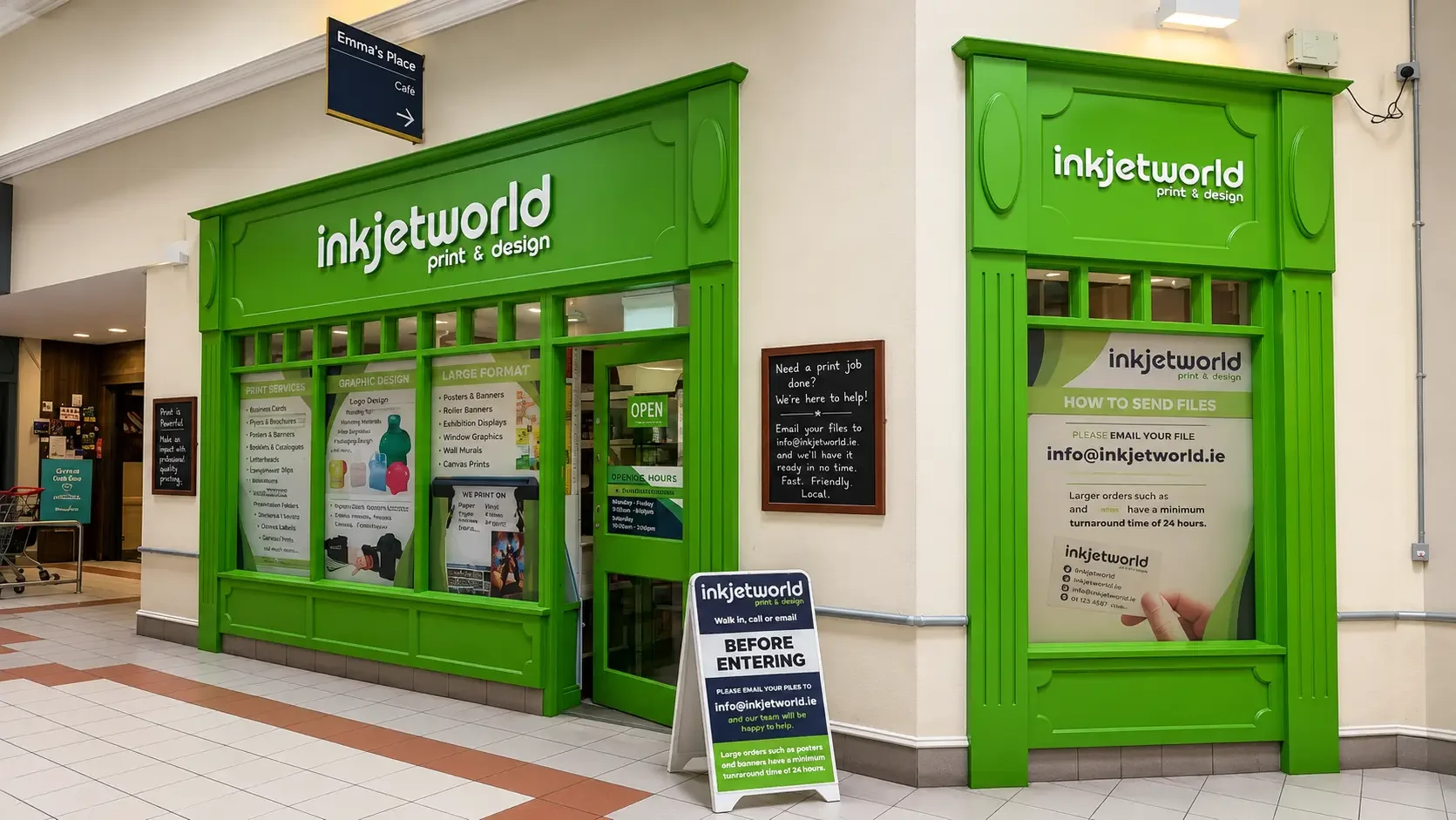
Print has no fixed product. The price depends on size, material, quantity, finish, page count and how many of those pages are colour. Some jobs can be sold from a shelf; others don't have a price until someone has understood them. We designed and built the shop that holds both — for a print business in a Kildare university town — and we still support it.
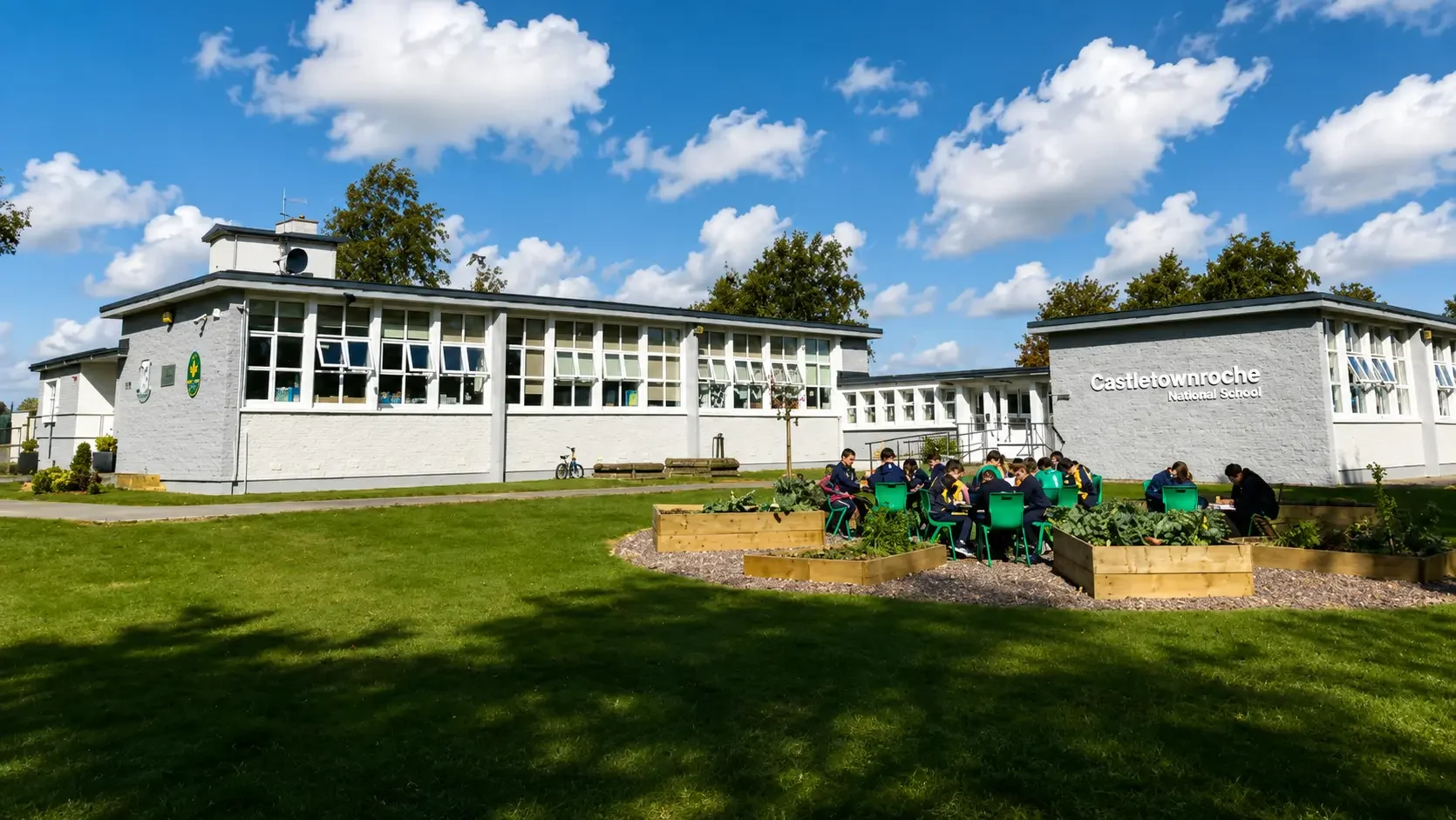
School sites are usually designed as prospectuses — built to persuade a family who hasn't decided. But almost every visit comes from a parent who enrolled years ago and needs one thing: the stationery list, the finish time, or whether there's school on Monday. Usually on a phone, usually while doing something else. We designed for them first, and the prospectus second.