Case study · Diageo · Aviation American Gin
The hardest platform to change is one you didn't build.
Aviation came to us already live. We're the team that keeps it current — seasonal launches, limited editions and campaign moments shipped into a codebase we inherited, at the pace a brand famous for fast marketing actually moves. Taking over someone else's platform well is a different discipline from building your own, and it's the one this project is about.
- Client
- Diageo — Aviation American Gin
- Sector
- Drinks & FMCG
- Services
- Application Support · Engineering · Experience Design
- Engagement
- Inherited platform, ongoing enhancement
- Status
- Live, supported and evolving

A fast brand on a platform we didn't write.
Aviation American Gin built its reputation on speed. The marketing moves at cultural pace — a moment happens, and the brand responds while it still matters. That's a rare thing for a drinks company, and it sets an unusual expectation of everything downstream, including the website.
We came to it after launch. Somebody else made the architectural decisions, chose the content model, wired the integrations and wrote the animation layer. Our job wasn't to admire it or replace it — it was to understand it well enough to change it safely, quickly, and without a settling-in period the brand couldn't afford.
There's a reason most agencies quietly propose a rebuild in this situation. It's easier to start again than to learn someone else's system, and it's far more profitable. It's also almost always the wrong advice.
The platform worked. It didn't need replacing — it needed a team who could move confidently inside it. That was the whole brief, and it's harder than it sounds.
Three things that make inherited work different.
None of these appear when you build something yourself, and all three decide whether a handover succeeds.
Every codebase contains decisions that look wrong and aren't. A strange workaround usually exists because of a browser bug, a compliance requirement or a deadline nobody documented. Changing it confidently requires understanding why it's there.
A brand that moves at cultural speed doesn't pause while a new supplier reads the code. The first campaign after handover arrives on the same timeline as the last one — and being new is not an explanation anyone wants.
Aviation's aviation theme isn't decoration — it runs through every label on the site. Add anything without finding its in-world word and the seam shows immediately, in a way a bug never would.
Read first, then ship continuously.
The work divides into two halves — the disciplined start, and everything since.
Before a single enhancement, we mapped the system: the content model and how the brand team uses it, the integrations, the compliance wiring, the animation layer, and the deployment path. Documenting an inherited platform is unglamorous and it's the reason the first campaign after handover went out without incident.
- Content model mapped against how the brand team actually publishes
- Compliance elements traced end to end before anything near them moved
- Written down as we went, so knowledge lives in the project rather than one head
- No rebuild proposed — the platform was sound and saying so cost us the bigger project
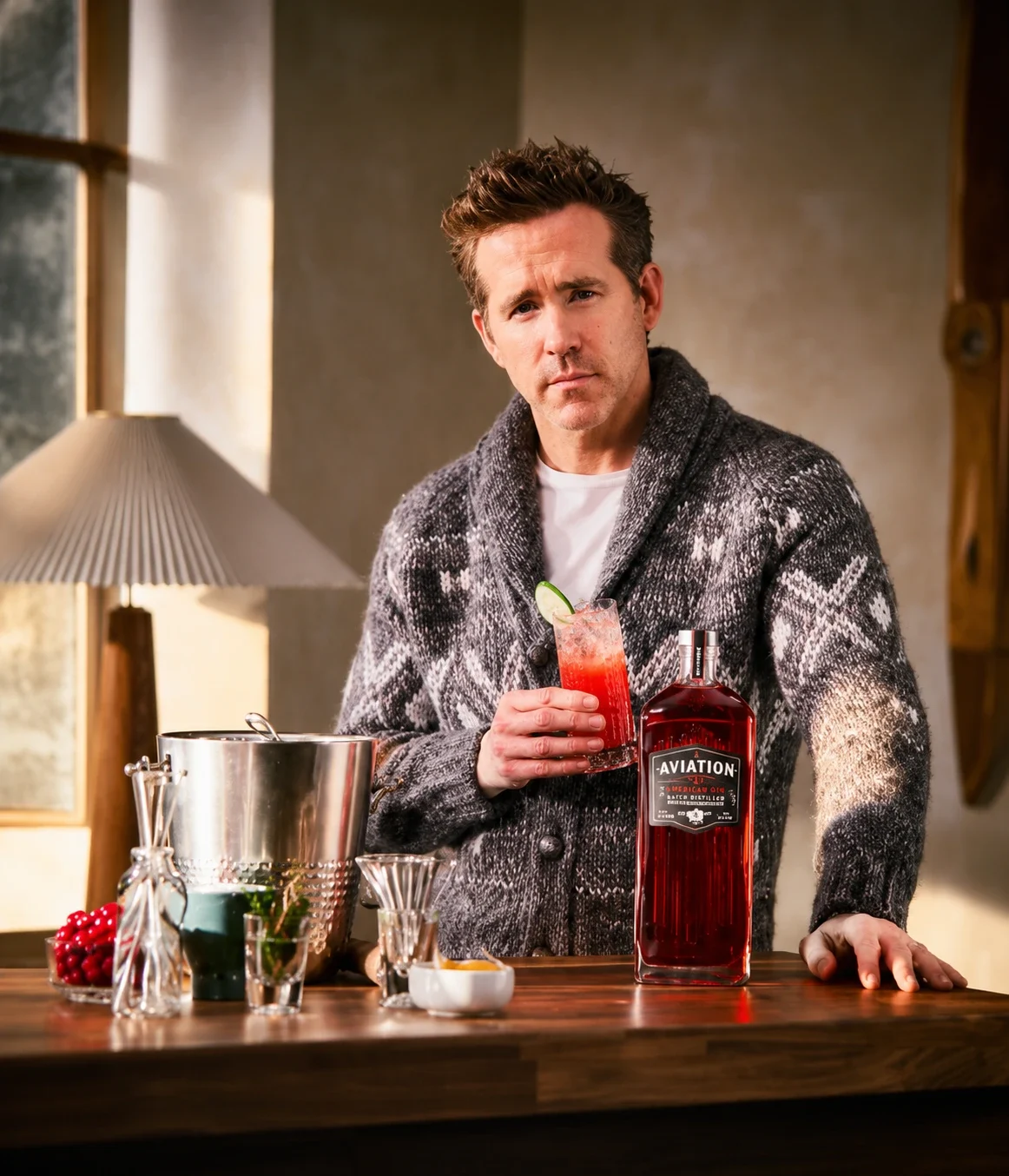
Aviation runs seasonal and limited releases — Cranberry Blood Orange is the one live now, taking over the navigation and the homepage. Each one needs its own space, its own art direction and its own route to purchase, without disturbing the permanent brand content underneath.
- Campaign pages that take priority placement, then step back when the season ends
- Navigation that reorders for the moment without breaking the permanent structure
- Brand-managed content, so a launch date isn't dependent on a developer being free
- Every campaign carrying the same compliance elements as the rest of the site
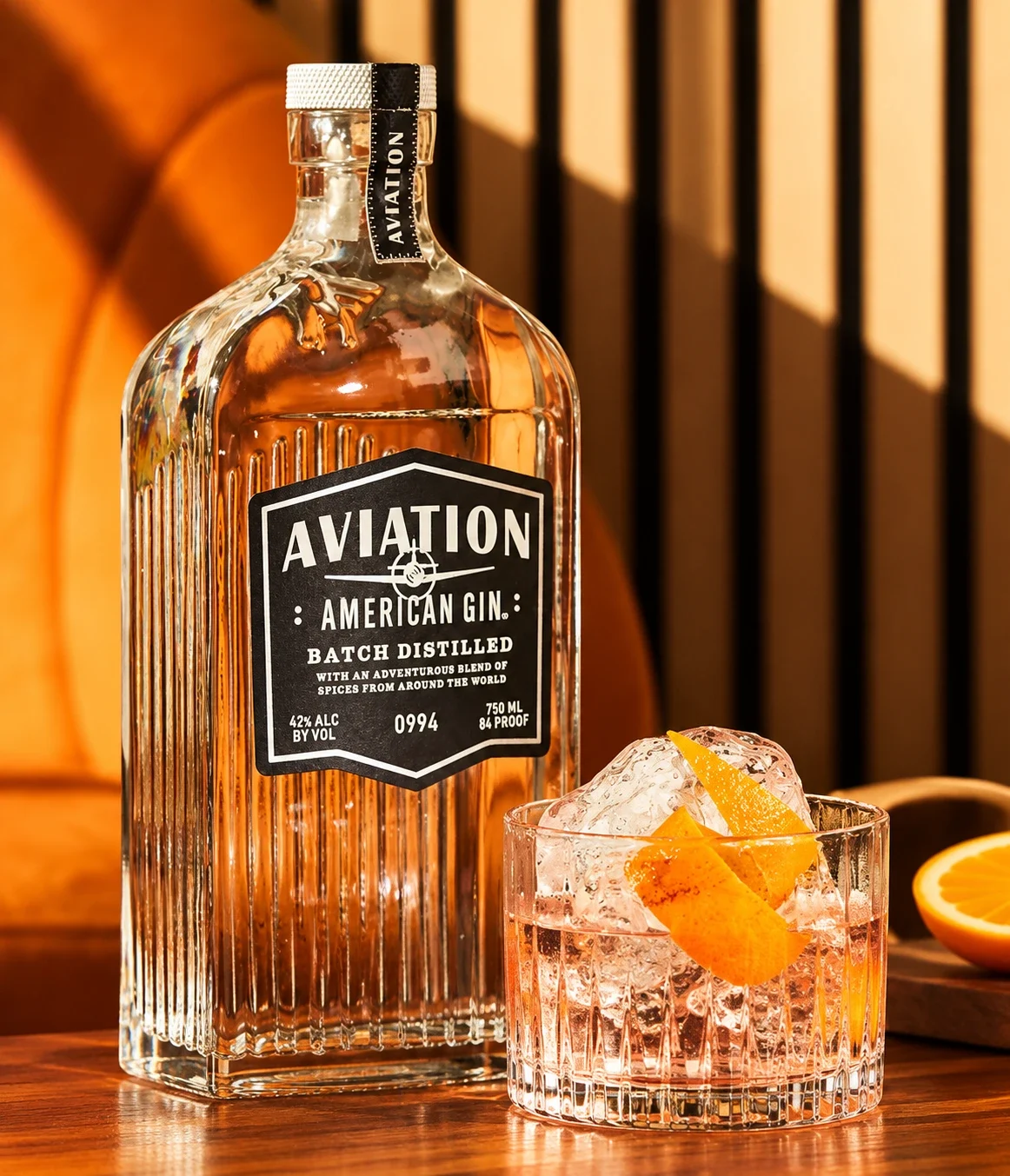
Aviation's production section is unusually detailed for a drinks site — botanicals named individually, an eighteen-hour maceration, a seven-hour distillation run, the heart cut at 142 proof brought down to 84. That level of specificity is the brand's answer to the celebrity association, and it earns its length.
- Infusion, distillation, the cut, blending — each given room rather than compressed
- Real numbers kept in — they're what separate a craft claim from a craft story
- Cocktails treated as a proper section, because that's what people search for
Every new thing needs its aviation word.
Most brand sites keep the theme in the imagery and use ordinary words for the interface. Aviation doesn't. The cocktails page is the In-Flight Menu. The content section is In-Flight Entertainment. Where to buy asks you to find your Gate. Even the legally required responsibility message is Please Fly Responsibly.
That commitment is why the brand feels like itself. It also means you cannot add anything to this site in plain English. Every new section, button and label has to find its place in the metaphor — and getting it slightly wrong is more visible to a visitor than a bug would be.
Reading an inherited system means reading its language as carefully as its architecture. The vocabulary is a specification, even though nobody wrote it down as one.
A parallax aircraft moving through the page sounds like decoration. On a brand whose whole promise is flight, it's the thing that makes the metaphor physical rather than written.
The theme stops where it should. The production section states botanicals and proof plainly, because craft credibility is undermined by wordplay.
The mandatory legal elements are exactly as required, unstyled by the metaphor. "Please Fly Responsibly" sits alongside them rather than replacing anything it shouldn't.
A support model, not a project plan.
Ongoing work has a different shape from a build. There's no kickoff and no launch — just a standing capability that has to be reliable in both directions.
Map the system, document it, and identify the parts nobody should change without understanding why they're there. Ask the previous team the questions only they can answer, while they're still reachable.
The engineers who learned the platform are the ones who work on it. Rotating people through an inherited codebase means paying the learning cost repeatedly, and the client pays it in mistakes.
Seasonal moments are known in advance even when the creative isn't. Structure and capacity are arranged ahead of the date rather than in response to it.
Dependency updates, performance, accessibility, privacy rule changes, platform deprecations. The work that prevents the emergency rather than responding to it.
An inherited site accumulates small debts. We fix them as we pass through, so the platform gets steadily better rather than steadily older.
Not every good outcome starts with a rebuild.
The most profitable advice we could have given was that the platform needed replacing. It didn't. It needed a team willing to learn it properly and then move quickly inside it — which is less lucrative, less visible, and considerably more useful to the client.
If you're carrying a platform that works but has no team behind it, that's a situation we recognise. Inheriting well is a skill, and we'd rather be judged on how confidently we move in someone else's code than on how quickly we suggest starting again.
Someone else's choices, well understood.
We didn't select this stack. Part of taking a platform on is being fluent in decisions you'd perhaps have made differently, and honest about which ones are worth revisiting.
- Next.js
- Server-rendered pages
- Parallax & scroll effects
- Responsive layouts
- Contentful
- Campaign content types
- Brand-team publishing
- Cocktail recipe library
- Age verification
- Cookie consent management
- US privacy request route
- Accessibility standards
- Campaign delivery
- Dependency & security updates
- Performance monitoring
- Documented handover
Related case studies.

Bundaberg has been distilling in Queensland since 1888. Its store sells licensed spirits, official merchandise and distillery tours through one Shopify checkout — under the Queensland Liquor Act, with a licence number on every page and every sale legally made from a single address in Bundaberg East. We support that store and enhance it continuously.
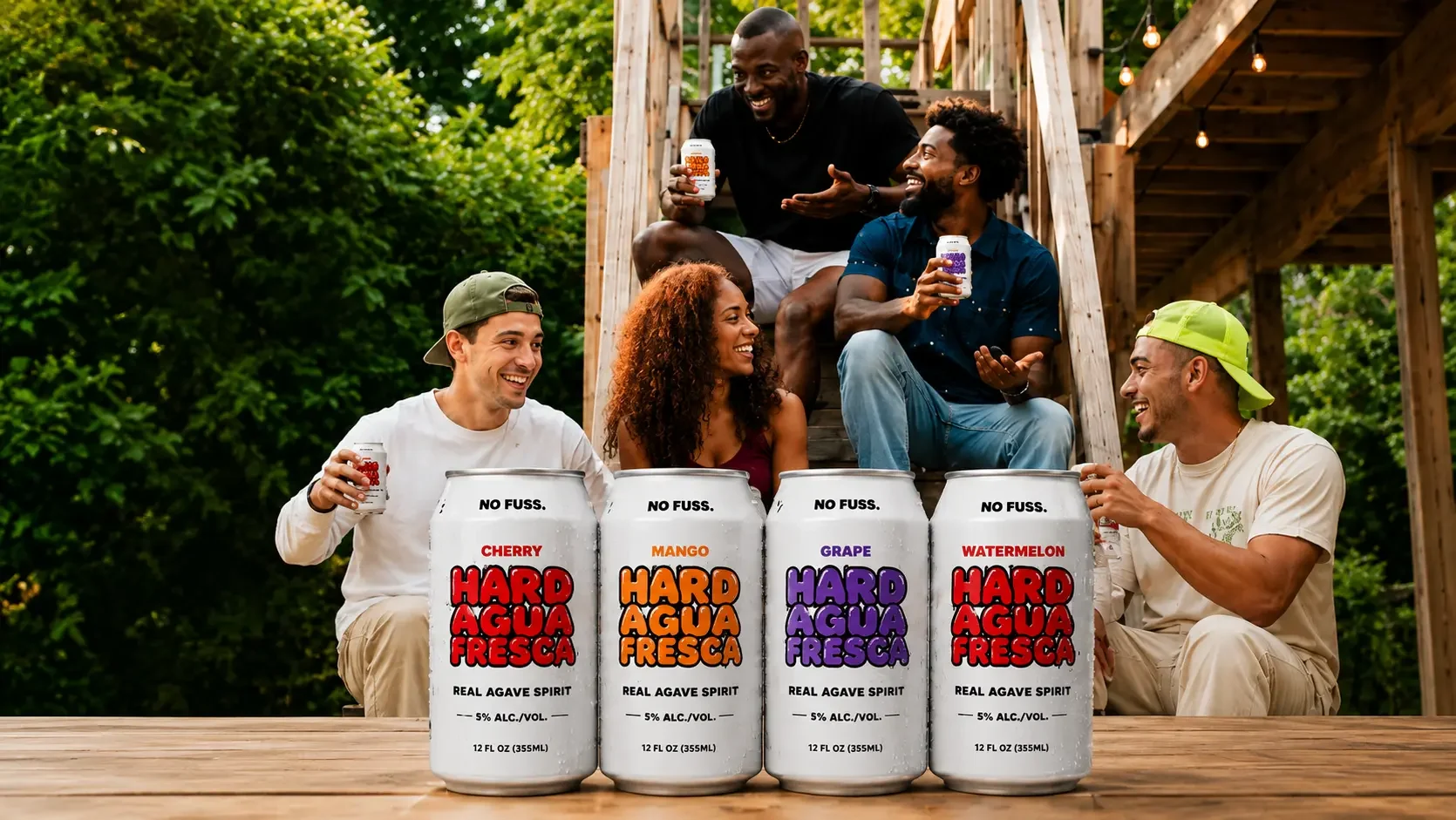
Stoop Dayz is hard soda for people with no plans — “all flavor, no fuss”, built on the idea that the best moments were never scheduled. Almost every default move in web marketing works against that. Pop-ups, countdowns, urgency, sign-up interruptions. We designed the site without any of them, and made it earn attention rather than demand it.