Case study · Bundaberg Distilling Company · Queensland
Selling rum online is a licensing problem before it's a commerce problem.
Bundaberg has been distilling in Queensland since 1888. Its store sells licensed spirits, official merchandise and distillery tours through one Shopify checkout — under the Queensland Liquor Act, with a licence number on every page and every sale legally made from a single address in Bundaberg East. We support that store and enhance it continuously.
- Client
- Bundaberg Distilling Company
- Sector
- Drinks · direct-to-consumer retail
- Platform
- Shopify
- Services
- Digital Commerce · Support & Optimisation
- Status
- Live, supported and enhanced

Three businesses sharing one cart.
Most of our drinks work ends at "where to buy". This one doesn't — Bundaberg takes the order. And what's being ordered varies more than any other store we work on.
A bottle of Royal Liqueur at $54.95 is a licensed alcohol sale under Queensland law. A Heritage 4L barrel at $499.95 is high-value freight. A hoodie from the merchandise range is ordinary retail with none of the same restrictions. A distillery tour is a ticketed experience with a date, a capacity and no delivery at all. Gift cards are something else again.
All of it goes through one checkout, and every one of those categories carries different rules about who can buy, where it can be sent, and what has to be shown before the order is taken.
On a brand site, a mistake is embarrassing. On this one it either stops revenue or breaches a liquor licence. That difference sets the standard for every change we ship.
Three constraints that don't apply to ordinary retail.
Any competent Shopify partner can run a store. These are the parts that make an alcohol store different.
Under the Queensland Liquor Act every page carries the licence number, the licensed selling entity and the address orders are dispatched from. That isn't a footer decoration — it's a legal condition of trading, and it has to survive every theme change and campaign takeover.
Age restrictions, delivery limitations and fulfilment rules differ by product type. The checkout can't treat a bottle, a t-shirt and a tour booking the same way — and it has to explain a refusal clearly rather than simply failing.
This store trades daily. A broken variant selector, a mispriced bundle or a slow product page is lost revenue that afternoon — not a defect to schedule for the next sprint.
Keeping a trading store trading.
Ongoing Shopify work across a catalogue that spans regulated spirits, merchandise, gifting and experiences.
The legal elements are treated as fixed structure rather than content anyone can move. Licence number, selling entity, dispatch address, the Liquor Act notice and the DrinkWise message stay present through campaign takeovers, seasonal themes and template changes.
- Licence details held in shared layout, not per-page content
- Age verification enforced before the store, not at the checkout
- Responsible-drinking messaging carried through every template
- Checked as part of release, because compliance drift is silent
Someone buying a $54.95 bottle for themselves, someone spending $499.95 on a heritage barrel, someone picking up a branded glass, and someone buying a gift card for a relative all use the same store. The collection structure separates them rather than making everyone browse everything.
- Bottle Shop split into Exclusive Range, Royal Liqueur, Master Distillers, Premix and bundles
- Merchandise separated into barware, clothing, leisure, heritage and food
- Bundle offers with a genuine incentive — save when you buy three or more
- Live stock states shown honestly, including low stock on limited items
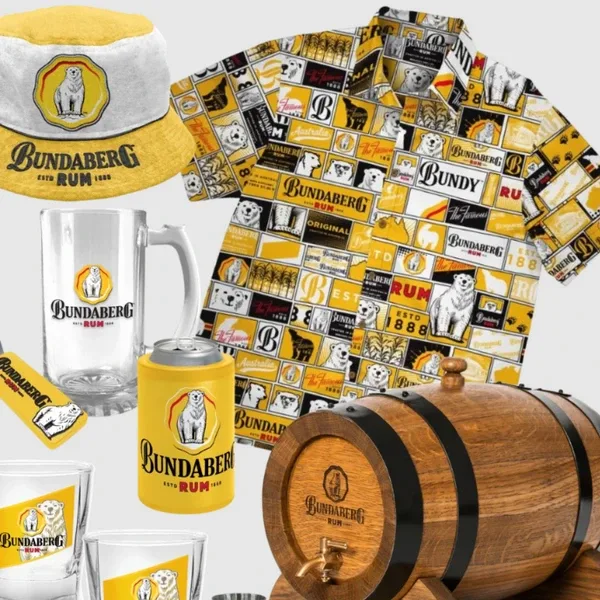
Campfire, Single Barrel, Limited Editions and the Drop Bear campaign each get their own space in the navigation and their own landing page. On a store rather than a brand site, a campaign has to arrive with stock, pricing and a working path to checkout — not just artwork.
- Campaign pages that connect directly to purchasable products
- Homepage takeovers for a release, reversible when the moment passes
- Partnership content — the NRL and Queensland Rum Day — held alongside commerce
- Team publishes campaigns without waiting on a development release

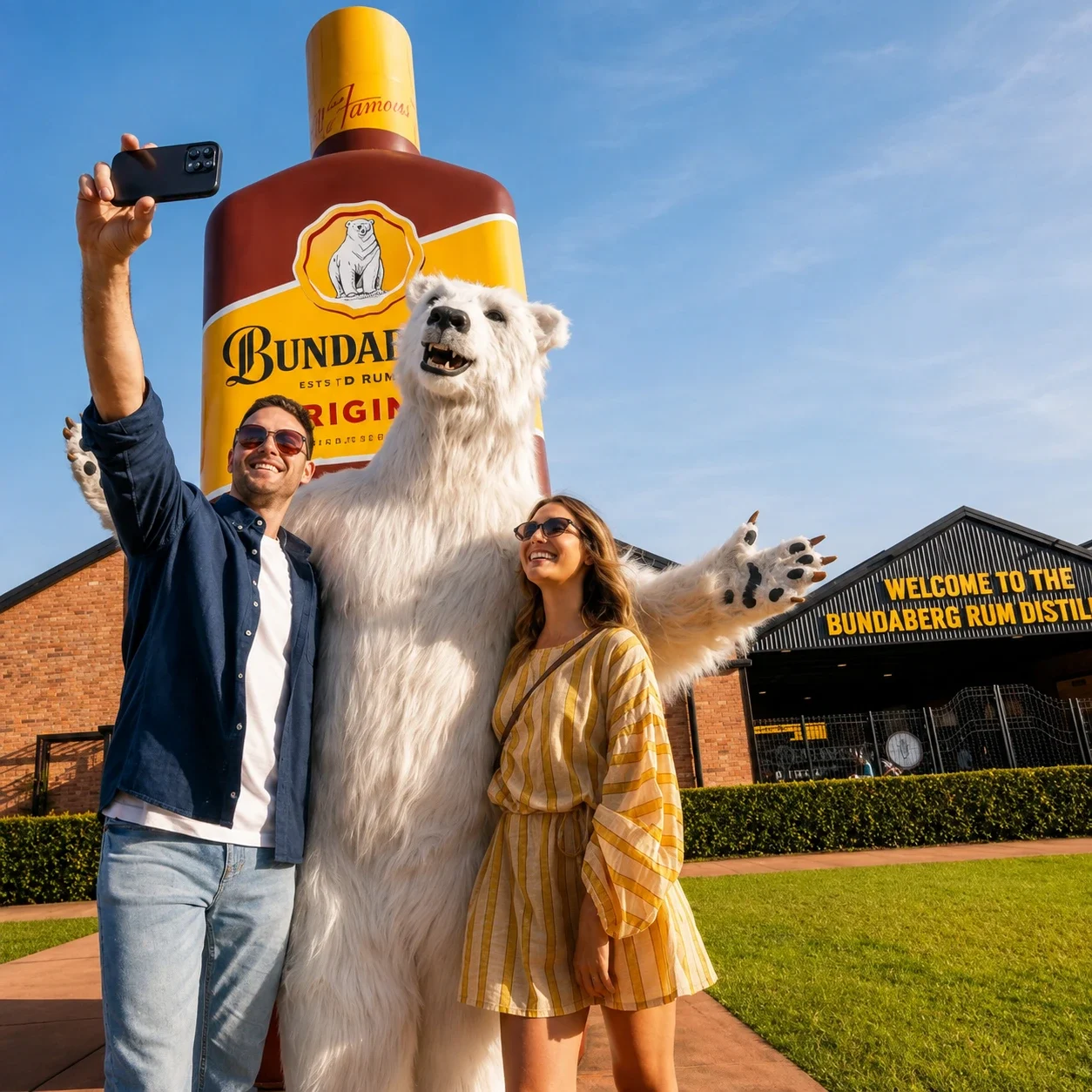
Bundaberg is a genuine tourist destination — the distillery has been operating since 1888 and people travel to visit it. Booking a tour sits in the same store as buying a bottle, but it has a date, a capacity and nothing to ship, so it can't behave like a physical product.
- Tour booking presented alongside commerce without confusing the cart
- Visit and distillery content that serves people planning a trip, not a purchase
- Recipes as a proper blog with drinks and food, bringing search traffic in
The most important message in the store is a refusal.
Somewhere in this checkout there's a line that reads "Cannot place order, conditions not met." It's the least glamorous string on the site and arguably the most important one, because it's what stands between a licensed business and a sale it isn't permitted to make.
Getting that logic right matters more than any layout decision on the store. An alcohol checkout has to be able to say no — clearly, for the right reasons, and without leaving a paying customer stuck with no idea what to change.
A blocked order has to explain itself. A checkout that simply fails costs the sale and generates a support call — a checkout that says what's wrong lets the customer fix it.
Spirits, merchandise and tour bookings each carry their own conditions. Mixed carts are the interesting case, and the one that gets tested most carefully.
Verification happens before the store, not at the point of payment. Somebody shouldn't be able to fill a cart with restricted products only to be turned away at the end.
Checkout conditions are the first thing verified after any change. On a store that trades daily, a broken purchase path is the one defect that can't wait for a sprint.
Support shaped around a trading calendar.
A store has rhythms a brand site doesn't. Christmas, Father's Day and Queensland Rum Day are known long in advance, and nothing risky ships near them.
The people who know the theme and the catalogue structure are the ones who change it. On a store with this many product types, familiarity is the difference between a five-minute change and a broken collection.
New products, price and stock changes, collection updates, recipes and campaign content — published by the brand team, supported by us where it needs engineering.
Campfire, Single Barrel, limited editions and partnership moments prepared ahead of the date, with stock, pricing and the purchase path verified before anything goes live.
Nothing risky ships into the highest trading weeks. Changes go out early, then the store is monitored rather than modified while the revenue is arriving.
Page speed on product and collection pages, app hygiene, theme updates, accessibility and the Shopify platform changes that arrive whether anyone asked for them or not.
Shopify expertise, proven where it counts.
Plenty of agencies list Shopify. Fewer have supported a store where a licensing breach is possible, where a single catalogue runs from a $54.95 bottle to a $499.95 barrel, and where a tour booking shares a checkout with physical freight.
Bundaberg is the reference we point to when a merchant asks whether we understand the awkward parts. The ordinary parts of commerce are well solved — it's the exceptions that decide whether a store works.
Shopify, used properly.
A store this varied rewards using the platform as intended rather than fighting it — and being disciplined about what gets added on top.
- Shopify
- Custom theme
- Collections & variants
- Customer accounts
- Bundle offers
- Gift cards & vouchers
- Stock status display
- Wishlist
- Campaign landing pages
- Recipes blog with tagging
- Distillery & visit content
- Predictive search
- Age verification
- Liquor Act notices
- Checkout conditions
- DrinkWise & cookie consent
Related case studies.
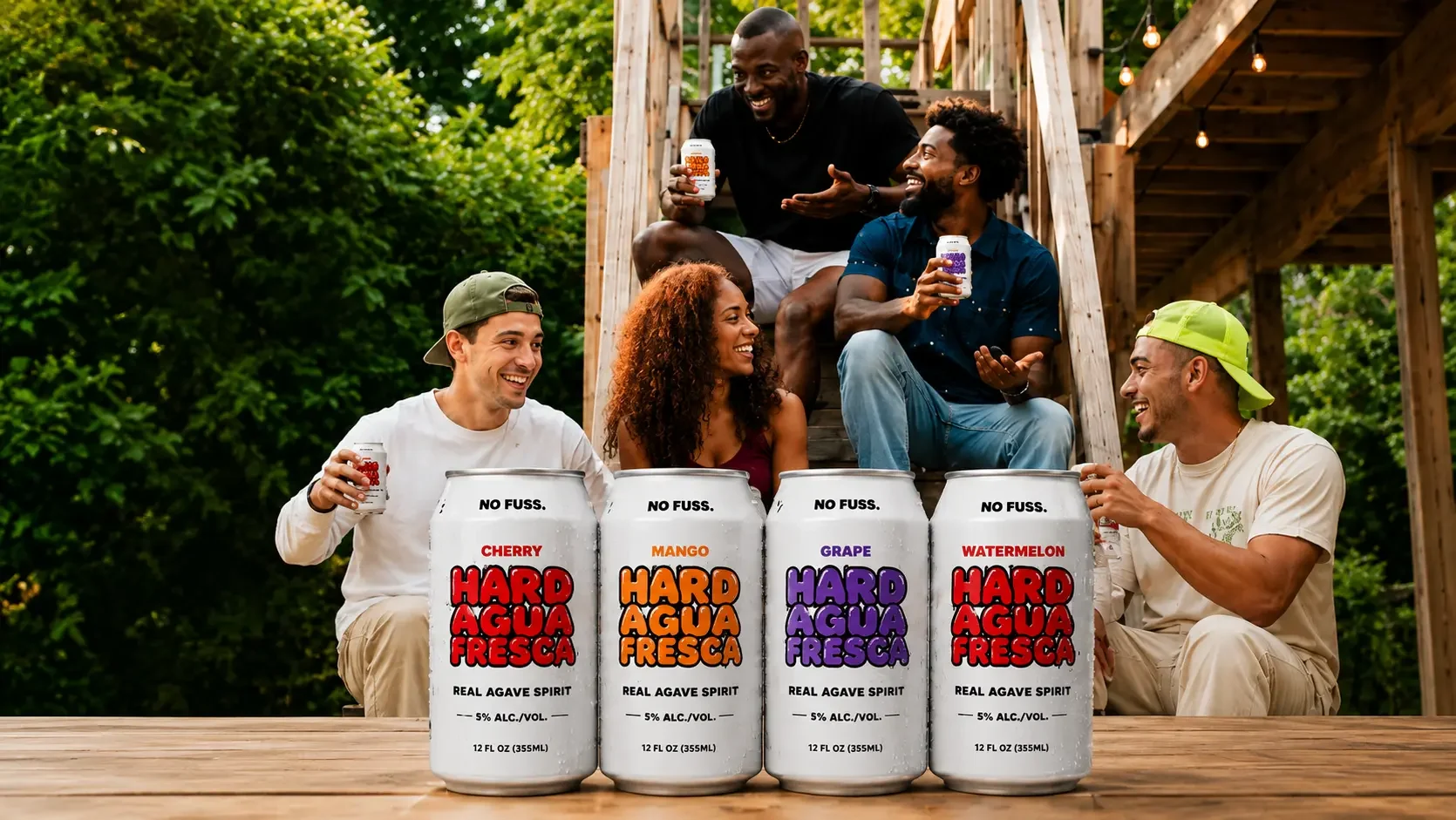
Stoop Dayz is hard soda for people with no plans — “all flavor, no fuss”, built on the idea that the best moments were never scheduled. Almost every default move in web marketing works against that. Pop-ups, countdowns, urgency, sign-up interruptions. We designed the site without any of them, and made it earn attention rather than demand it.
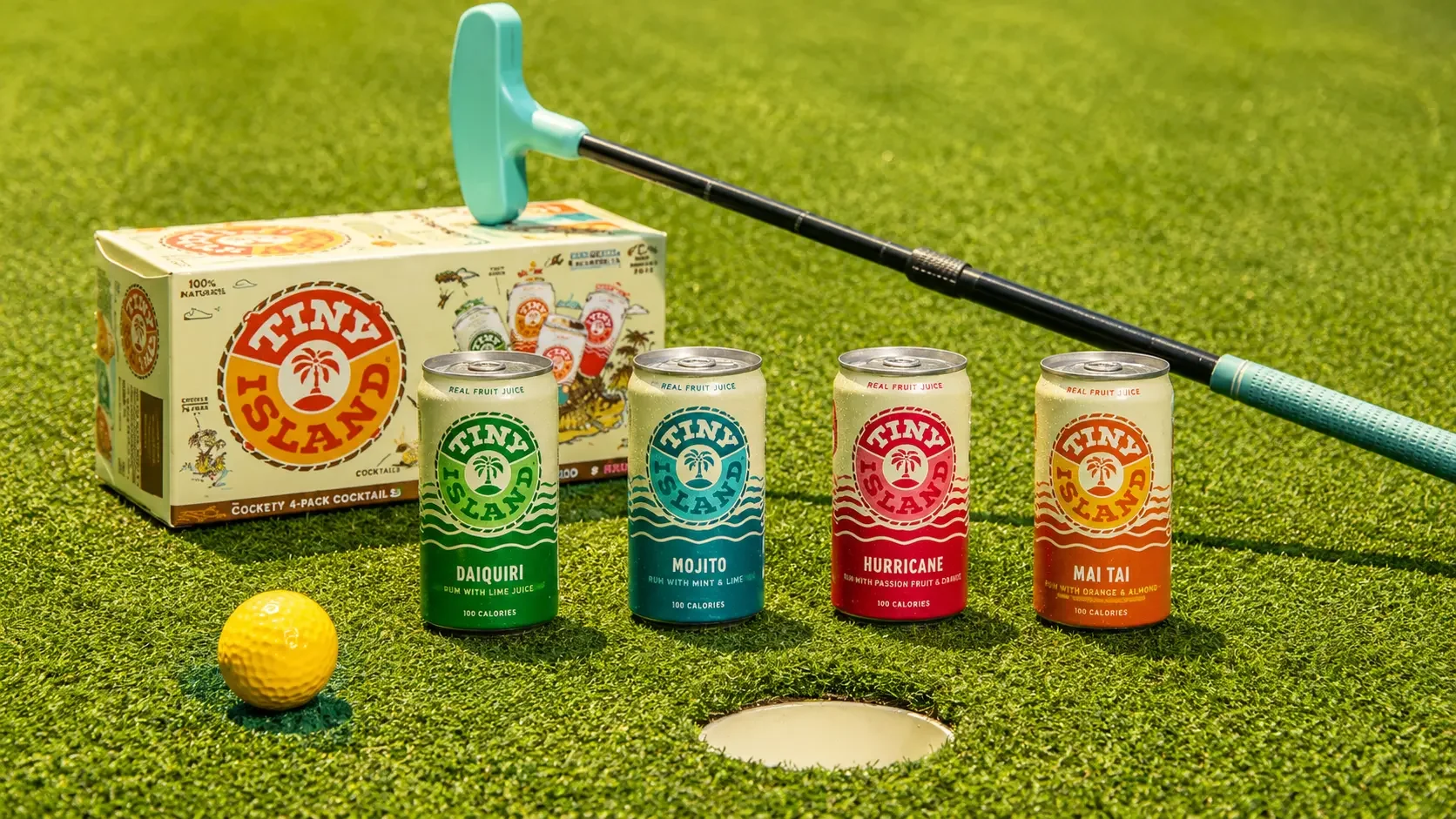
Tiny Island makes mini Caribbean rum cocktails — Hurricane, Mojito, Mai Tai, Daiquiri. Nobody needs those explained, which sounds like an easy brief and isn't. When the drink is familiar, the scepticism moves to the format: can a pre-mixed cocktail in a small can actually be worth drinking? We designed and built the site that answers that, and we still work on it.