
Software Engineering & Application Services
From idea to software that performs.
Anyone can launch version one. We build for the versions after it.
We design, engineer, modernise and support digital products that businesses depend on — bringing together product thinking, experience design, engineering, cloud, integration and AI under one team.
A 60-minute conversation with the people who would do the work.
- Diageo
- Aviation Gin
- Casa Famosa
- Lone River
- Bundaberg Rum
The business problem
Software rarely fails loudly. It slows down first.
By the time a system is a boardroom topic, the warning signs have usually been there for two years. These are the four conversations we're brought into most often.
Small changes queue behind big releases. The team is busy, the backlog grows, and the business starts routing around IT entirely.
"Why does everything take a quarter?"
Testing is manual, going live involves steps someone has to remember, and the plan for when it goes wrong lives in one person's head. So changes get bundled together, which makes each release bigger and riskier still.
"We only deploy on Thursday mornings."
Critical systems work, but nobody wants to touch them — and the people who built them may be gone.
"We’ve been meaning to replace that for years."
Infrastructure, licences and maintenance consume more of the budget every year.
"Most of our budget is maintenance."
Systems that worked at yesterday's scale struggle when customers, traffic and data increase.
"It worked before we grew."
Engineering capability
One team from strategy and architecture through to continuous improvement.
Product thinking, design, engineering, quality and ongoing improvement sit in the same team — so the people who made the decisions are the ones who live with them.
Custom web, mobile and enterprise applications built around your business, not around a template.
Legacy systems moved forward incrementally, so the business keeps running throughout.
Automated testing and release processes that make going live routine rather than an event.
Scalable foundations sized to the demand you actually have, not the worst case someone imagined.
Systems connected so each one can change without waiting for all the others to catch up.
Monitoring, security updates, fast response and continuous improvement — from the team that built it.
How the work usually arrives
Something new, or something that already exists.
These two need different disciplines. Building greenfield rewards speed and small bets. Modernising rewards patience and a sequence that never takes the business offline. Most agencies are honestly only good at one.
From a validated idea to something in production, with the smallest version that proves the thesis shipped first rather than last.
- Discovery & architecture
- MVP to scale
- Web & mobile
- Cloud-native
- Design partnership
Step-by-step replacement rather than a single risky rebuild. We put safeguards and monitoring around what exists first, then move it forward one piece at a time.
- System assessment
- Step-by-step migration
- Automated testing
- Re-platforming
- Knowledge transfer
A full rebuild is usually the wrong answer. It takes longer than anyone estimates, delivers nothing to the business until the very end, and quietly throws away years of hard-won rules that nobody ever wrote down. We’ll propose one only when the numbers genuinely support it — and we’ll show you the numbers.
Choose the challenge closest to yours. We’ll show you where we’d start.
Why Oxytal
Why us and not any other development partner?
A fair question, and one you should put to everyone on your shortlist. Here's our honest answer.
Forge, our own AI platform, handles the repetitive parts of delivery — drafting requirements, generating tests, running security checks. You get enterprise rigour at a pace that doesn't match the price tag, with a person approving every release and a full record of what happened.
Oxytal builds and operates its own products, not just client projects. We support software we wrote ourselves, at three in the morning if it comes to that — which is why our decisions are careful in the places that matter and quick everywhere else.
The software, the documentation, the accounts and the access are yours from day one, held in your own systems. No private framework of ours, no hosting you can't walk away from, and a handover plan written at the start rather than negotiated at the end.
Design, cloud, data, integration and AI are in-house practices. The specialist you need in week six is already in the building — no subcontracting to a partner you never meet and can't hold accountable.
Most partners hand over and move on, taking everything they learned with them. The people who built it are the people who support it, with cover hours and escalation routes agreed in writing before launch.
Senior accountability in your timezone, engineering depth and genuine overnight cover. Not a handover at 6pm to people you've never spoken to — one team, two locations, working to the same plan.
Evidence
Outcomes, not screenshots.
The measures that matter aren't hours billed or features shipped. They're how quickly an idea reaches your customers, how rarely something goes wrong, and how fast it's put right when it does.

Bundaberg has been distilling in Queensland since 1888. Its store sells licensed spirits, official merchandise and distillery tours through one Shopify checkout — under the Queensland Liquor Act, with a licence number on every page and every sale legally made from a single address in Bundaberg East. We support that store and enhance it continuously.
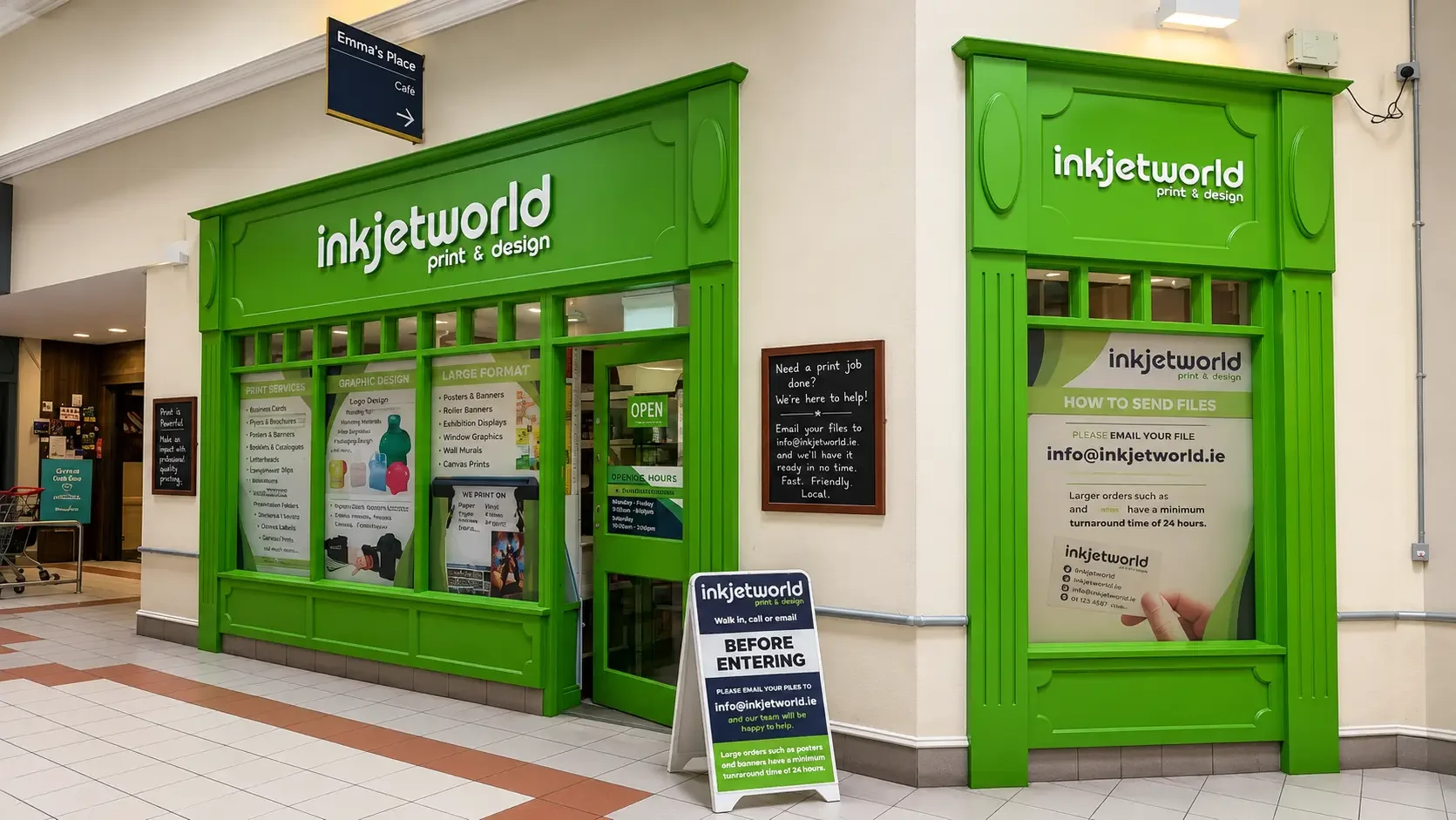
Print has no fixed product. The price depends on size, material, quantity, finish, page count and how many of those pages are colour. Some jobs can be sold from a shelf; others don't have a price until someone has understood them. We designed and built the shop that holds both — for a print business in a Kildare university town — and we still support it.

Johnnie Walker Style is a Thai-language merchandise store trading in baht. We moved it off a custom PHP build onto Shopify — same products, same customers, same URLs where it mattered, a different engine underneath. Since then we've supported and extended it. A migration that generates a story for the customer has usually gone wrong.
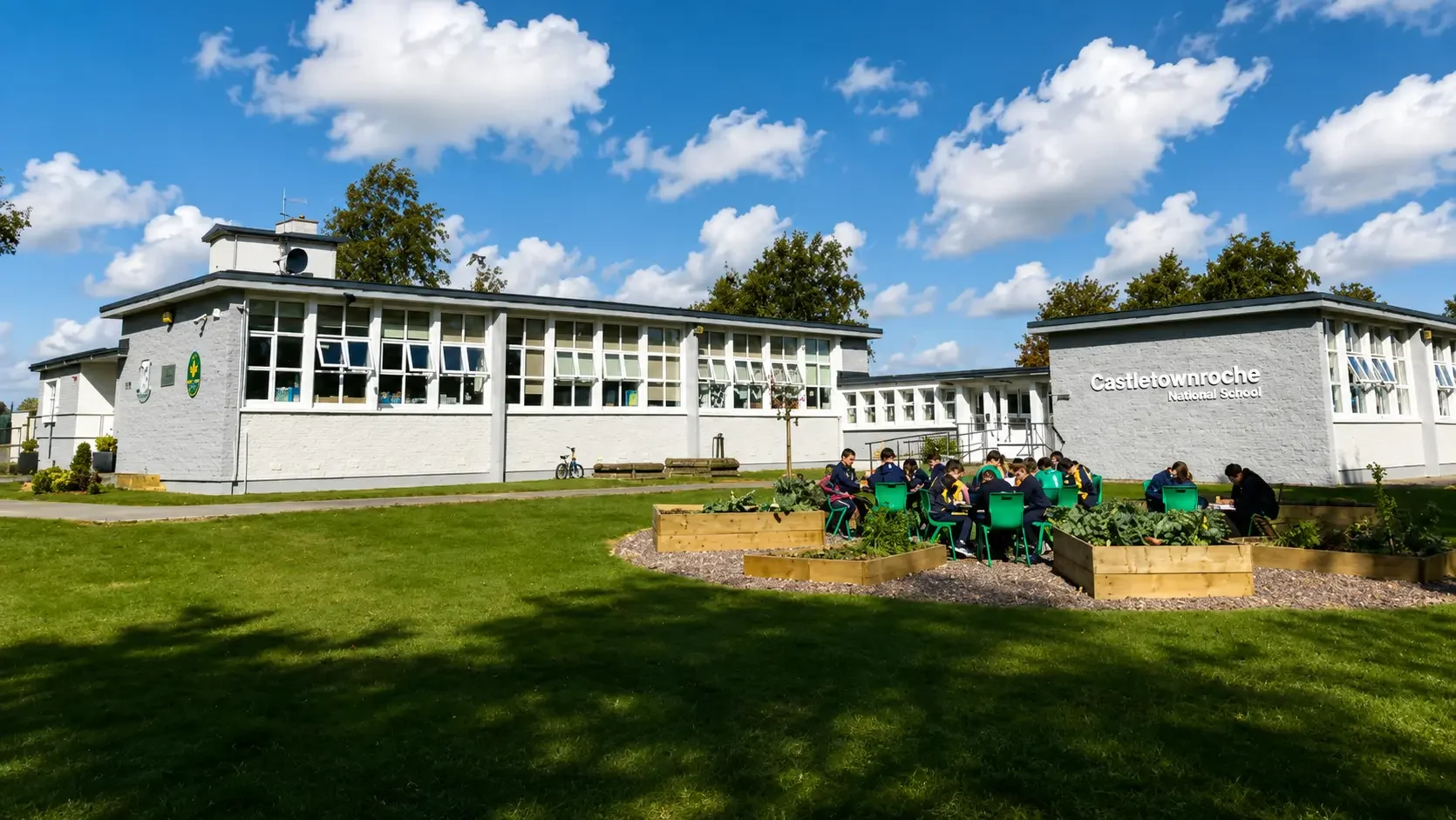
School sites are usually designed as prospectuses — built to persuade a family who hasn't decided. But almost every visit comes from a parent who enrolled years ago and needs one thing: the stationery list, the finish time, or whether there's school on Monday. Usually on a phone, usually while doing something else. We designed for them first, and the prospectus second.
Stack
What we build with.
We choose technology based on your business, your team, your security requirements and long-term maintainability — not technology trends. If your people know .NET, we'd rather hand you excellent .NET than something fashionable they'll struggle to look after.
- TypeScript & Node
- Python
- Java & Kotlin
- C# / .NET
- PHP
- Go
- React & Next.js
- Vue & Nuxt
- React Native
- Swift & Kotlin native
- Design systems
- Accessibility (WCAG)
- AWS
- Azure
- Google Cloud
- Kubernetes & Docker
- Terraform
- GitHub Actions
- PostgreSQL & MySQL
- MongoDB
- Redis & Valkey
- Kafka
- GraphQL & REST
- Event-driven patterns
- Monitoring & alerting
- Automated testing
- Automated security checks
- Performance & load testing
- SOC 2 & ISO alignment
- Delivery performance reporting
How we engage
Three ways in. All start with thinking, not a quote.
Two to three weeks. We review the software, talk to the people who run it day to day, and come back with costed options, a recommended order of work and the reasoning behind both.
A named team covering engineering, testing, architecture and delivery, working in fixed-price stages against a plan you control. You meet them before you commit, and they don't get swapped out afterwards.
We take on running software you already have — monitoring, security updates, fast response when something breaks, and a set number of improvement days each month against your priorities.
Straight answers
What clients ask first.
You use AI to write code. Is our intellectual property safe?
Fair question, and it should be your first one. The AI runs inside our environment or yours under enterprise agreements, and your information is never used to train anyone's model. Every action is recorded and timestamped, and nothing reaches your systems without a person reviewing and approving it — the process stops and waits for that approval every time. If your security team wants to see how it works in detail before we start, we'll walk them through it and put the commitments in the contract.
Fixed price or time and materials?
Fixed price per stage, which we think is the honest middle ground. Fixing the price of a whole project means pretending we both know things neither of us knows yet, and it makes changing your mind expensive — so the scope gets defended instead of improved. Charging purely by the hour puts all the risk on you. We fix the price of the first stage, then fix each one after it from a scope you've seen and agreed. You can stop at the end of any stage.
What if we want to bring it in-house later?
Then we'll help you do it, and we plan for it from the start. Everything sits in your own accounts from day one. Documentation and operating guides are written as we go rather than assembled in a rush at the end, and handing over knowledge to your team is a scheduled part of the work, not a favour at the finish. A partner who makes leaving difficult is telling you something about how confident they are in the work.
How do you measure whether it's going well?
Four things: how long an idea takes to reach your customers, how often we can safely release, how often something goes wrong afterwards, and how quickly it's put right. These come straight from the system itself rather than from a slide we've prepared. Alongside them, whatever business number the project exists to move — and if we can't name that number at the start, that's usually a sign the project isn't ready to begin.
Who actually does the work?
A named team across Dublin and Chandigarh — the same people from the first conversation through to ongoing support. No account-management layer between you and the people doing the work, and no quiet reassignment once the contract is signed. You'll meet them before anything is agreed.
Related services
Engineering rarely travels alone.
The infrastructure the application runs on.
05Enterprise IntegrationConnecting it to everything else you run.
07AI & Agentic EngineeringAutomating the work the application creates.
02Experience DesignMaking sure people can actually use it.
Start with the system that worries you.
Sixty minutes with engineers rather than salespeople. Bring the system you’d rather not talk about, the deadline you’re not confident of, or the idea you haven’t costed yet. We’ll tell you what we’d do and whether we’re the right people to do it.